

Find out more
NEWS
Bed Bugs vs. Bat Bugs: Key Differences, Bat Bug Identification, and Treatment Methods
Hits: 72
Bed Bugs vs. Bat Bugs: Key Differences, Bat Bug Identification, and Treatment Methods
When you spot a tiny, blood-sucking pest in your home, your first thought might be “bed bugs!” But hold on—there is a lesser-known culprit that could be to blame: the bat bug. While bed bugs and bat bugs look strikingly similar, they have distinct differences that can affect how you deal with them. In this article, we will break down what sets these pests apart, zoom in on identifying and treating bat bugs, and help you tackle an infestation with confidence.
Bed Bugs vs. Bat Bugs: What is the Difference?
At first glance, bed bugs (Cimex lectularius) and bat bugs (Cimex adjunctus) seem like twins. Both are small, flat, reddish-brown insects that feed on blood and belong to the same family (Cimicidae). But their lifestyles and preferences reveal key differences:
Preferred Hosts:
Bed Bugs: These pests love human blood and thrive in homes, hotels, and apartments—anywhere people sleep.
Bat Bugs: As the name suggests, bat bugs prefer feeding on bats. They are typically found in areas with bat roosts, like attics or barns, but they will bite humans if their bat hosts are gone.
Habitat:
Bed Bugs: Look for them in mattresses, bed frames, furniture, or even behind wallpaper—anywhere close to where you rest.
Bat Bugs: They stick closer to bat roosting sites, like attics, chimneys, or wall voids, only venturing elsewhere if their primary food source disappears.
Appearance:
Both are about ¼ inch long, oval-shaped, and wingless. However, under a microscope, bat bugs have longer hairs on their thorax (the middle body section) compared to bed bugs. This subtle difference is tough to spot without magnification, so behavior and location are bigger clues.
Behavior:
Bed Bugs: Persistent human-biters, leaving itchy welts in clusters or lines.
Bat Bugs: They will bite humans opportunistically but are less likely to infest living spaces unless bats are removed.
In short, if you are waking up with bites and there is no bat roost nearby, bed bugs are the likely suspect. But if you’ve recently evicted bats from your attic and now have bites, bat bugs might be the culprits.
Zooming In: Identifying Bat Bugs
Since bat bugs and bed bugs look so similar, identifying bat bugs often comes down to context and a few telltale signs:
Location: Check attics, eaves, or other bat-friendly spots. Finding small, dark bugs near a former or active bat roost is a strong hint of bat bugs.
Bite Marks: Like bed bugs, bat bugs leave itchy, red welts. However, bites from bat bugs often start after bat removal, as the bugs seek new hosts.
Droppings and Shells: Look for tiny black fecal spots or shed skins near suspected areas. These resemble bed bug signs but are more likely near ceilings or upper walls with bat bugs.
Professional Confirmation: For a definitive ID, pest experts can use a magnifying tool to check those thorax hairs—bat bugs’ are noticeably longer.
If you have got bats (or had them recently), bat bugs should be on your radar. They are less common than bed bugs but can still cause plenty of trouble.
Bat Bug Treatment Methods: How to Get Rid of Them
Dealing with bat bugs requires a two-pronged approach: eliminating their food source (bats) and targeting the bugs themselves. Here is how to tackle them effectively:
1. Address the Bat Problem First
What: Safely remove bats from your home using exclusion methods (like one-way bat valves) rather than killing them, as bats are often protected by law.
Why: Without bats, bat bugs lose their primary food source and are more likely to die off or move out.
Tip: Hire a wildlife professional to handle bat removal legally and humanely.
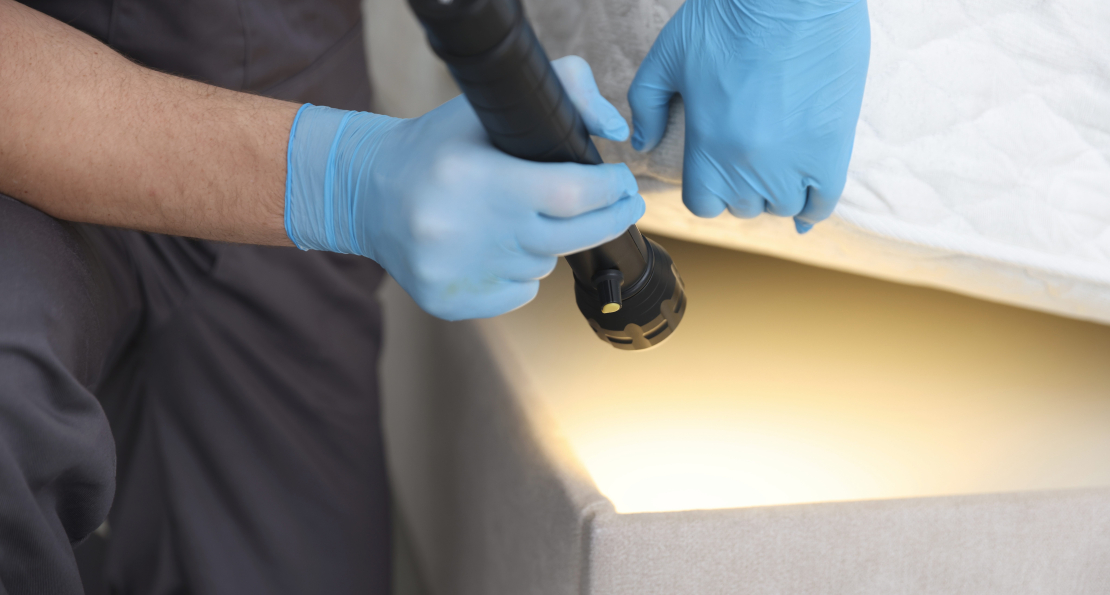
2. Thorough Inspection
Where: Focus on attics, wall voids, and crevices near former bat roosts. Look for bugs, droppings, or eggs (tiny, white, and pearl-like).
Why: Pinpointing their hiding spots ensures treatments hit the mark.
3. Chemical Treatments
What: Use residual insecticides labeled for bed bugs/bat bugs, like pyrethroids or neonicotinoids, applied to cracks, crevices, and roosting areas. Dusts like diatomaceous earth can also work in hard-to-reach spots.
How: Spray or dust carefully, following all safety guidelines. Avoid treating areas where bats remain, as it could harm them.
Note: Bat bugs can be resistant to some chemicals, so multiple treatments might be needed.
4. Vacuuming and Cleaning
What: Vacuum up bugs, eggs, and debris from infested areas, then seal and dispose of the vacuum bag to prevent re-infestation.
Why: This reduces the population quickly and removes allergens.
5. Professional Pest Control
When: For large infestations or tricky attic spaces, call in the pros.
Why: Experts can combine bat exclusion with targeted treatments, ensuring both pests are handled efficiently.
Prevention: Keeping Bat Bugs at Bay
Once the bat bugs are gone, take steps to keep them out:
- Seal entry points like gaps in roofs, vents, or siding to prevent bats from returning.
- Regularly inspect attics or upper floors for signs of new bat activity.
- If bats do show up, address them promptly before bat bugs can establish a foothold.
Do not Let Bat Bugs Take Over
While bat bugs are not as widespread as bed bugs, they are just as irritating when they invade your space. Their connection to bats makes them a unique challenge, but with the right identification and treatment, you can send them packing. If you suspect bat bugs—or need help with bats and bugs alike—Buckeye Exterminating is here with expert solutions to restore your peace of mind. Let us tackle these pests together.
About Buckeye
Stop in to see our retail product showroom.
24018 US 224
Ottoville, OH 45876
HOURS:
Monday - Thursday 8:00 AM - 5:00 PM
Friday 8:00 AM - 4:00 PM
Saturday 8:30 AM - 12:00 PM
(Saturdays from April through October only)
TOLL-FREE 800-523-1521
Ottoville 419-453-3931
Lima 419-221-1680
Findlay 419-423-8337
Celina 419-586-3398
Bryan 419-636-8853
Defiance 419-782-4640
FAX 419-453-3937